
What is a UNESCO Global Geopark?
A single area where geological heritage of international value is managed for protection, education and sustainable development.
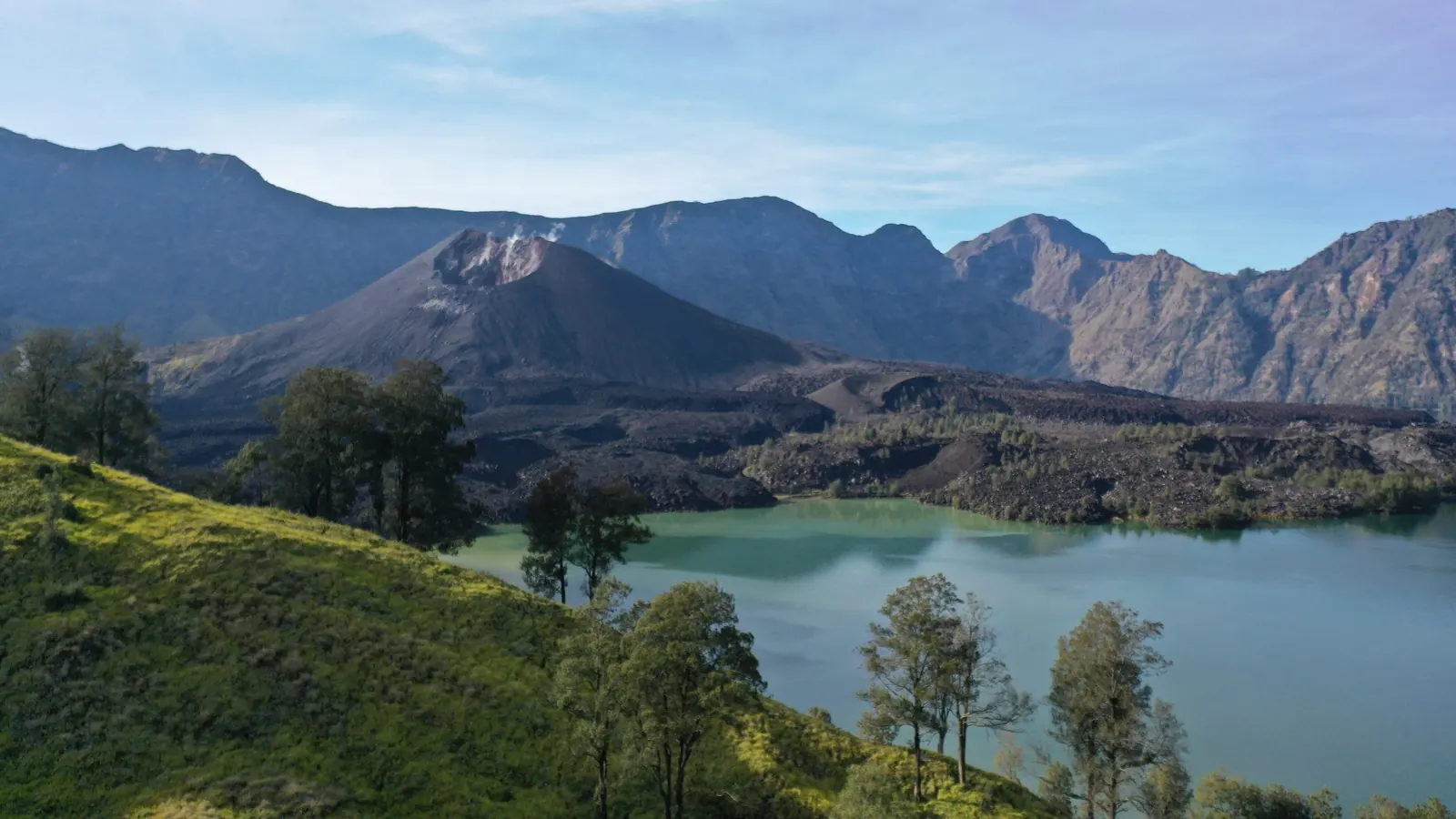
A UNESCO Global Geopark is a single, unified geographical area where sites and landscapes of international geological significance are managed with a holistic concept of protection, education and sustainable development. It is not a new kind of nature reserve: people live and work inside it, and it has no additional legal restrictions of its own.
What makes a geopark is the way the landscape is used. Its geology is connected with the area's natural and cultural heritage, and that story is used to raise awareness of the issues society faces: using the earth's resources sustainably, adapting to climate change, and reducing the risk of natural disasters.
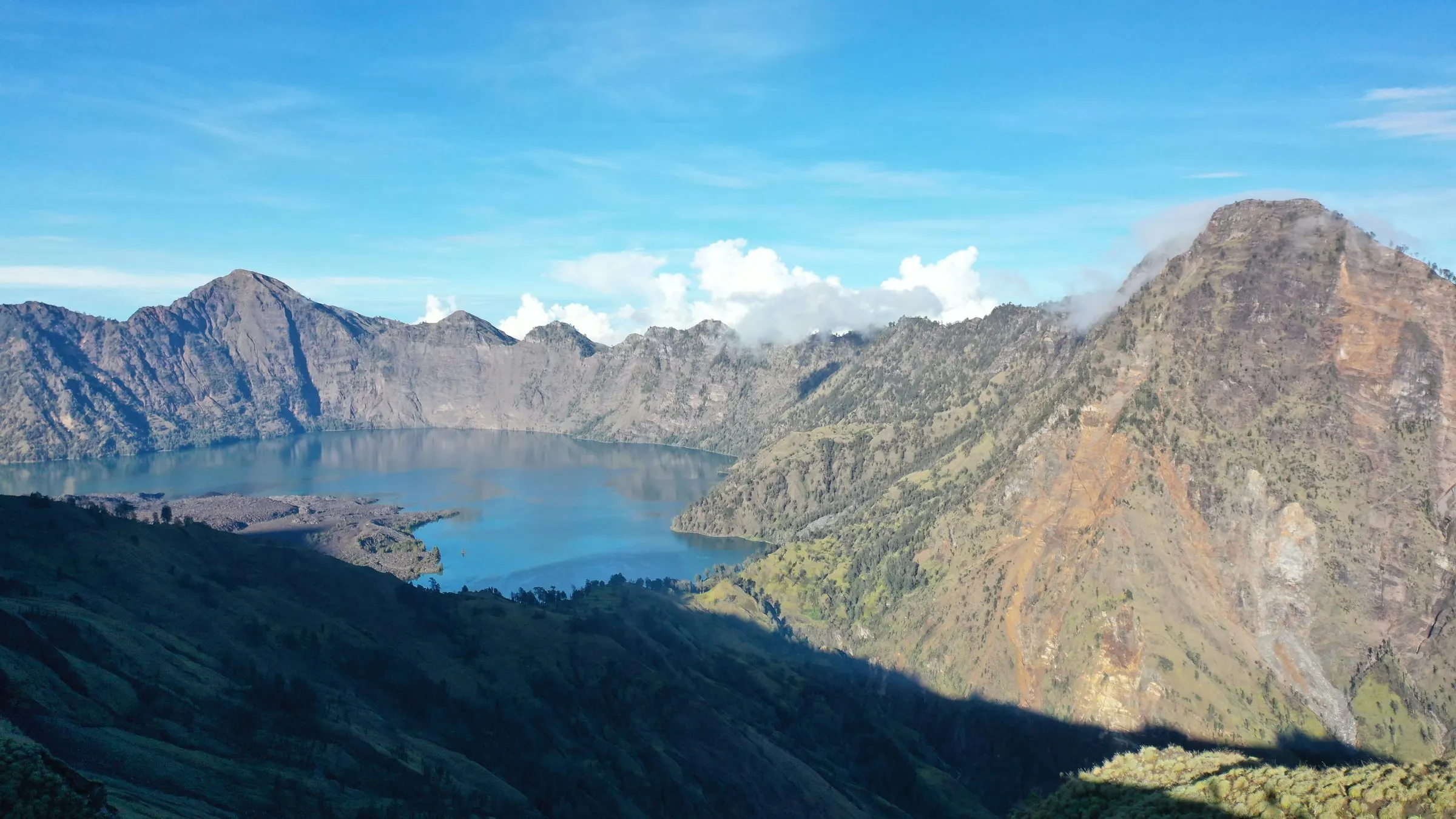
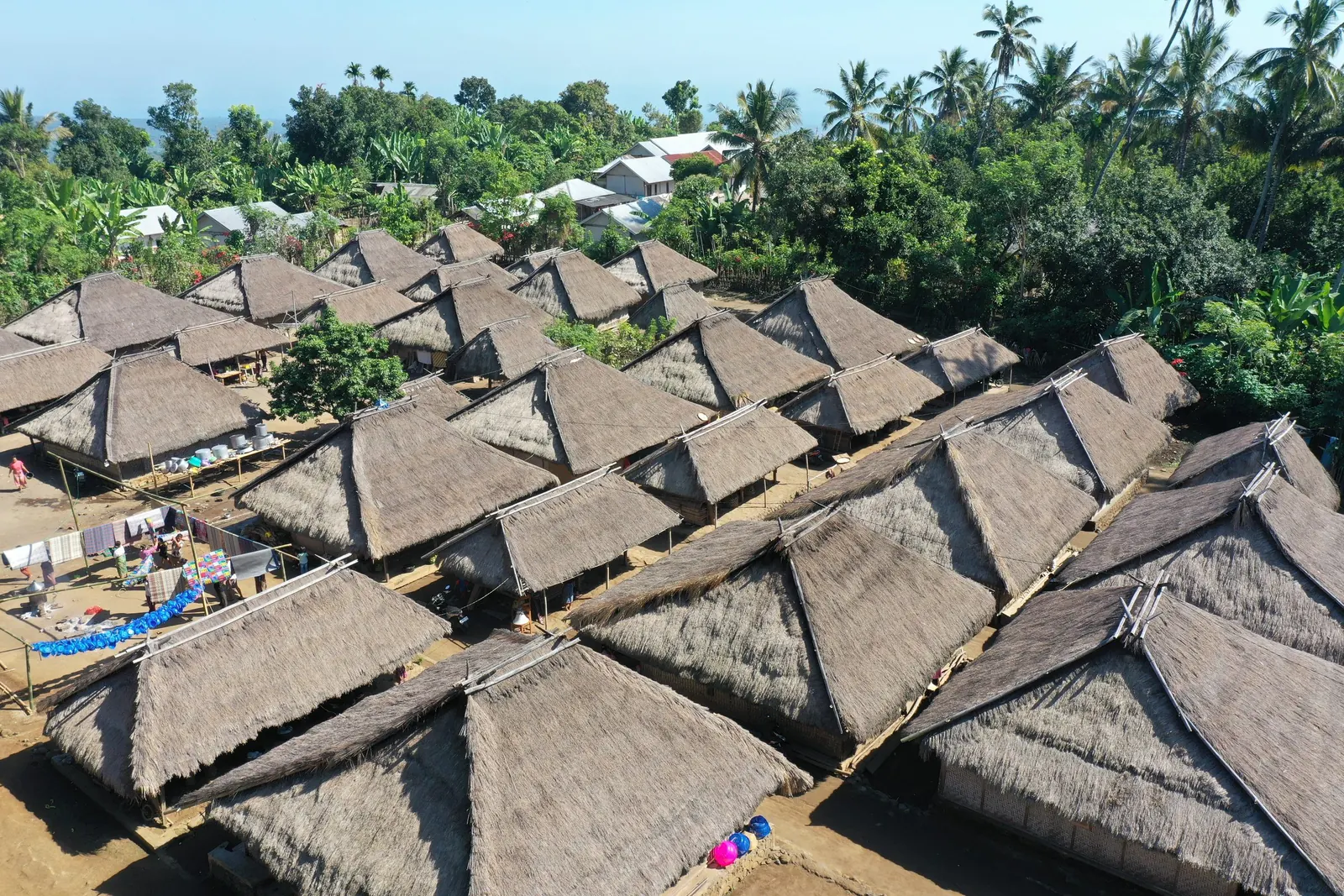
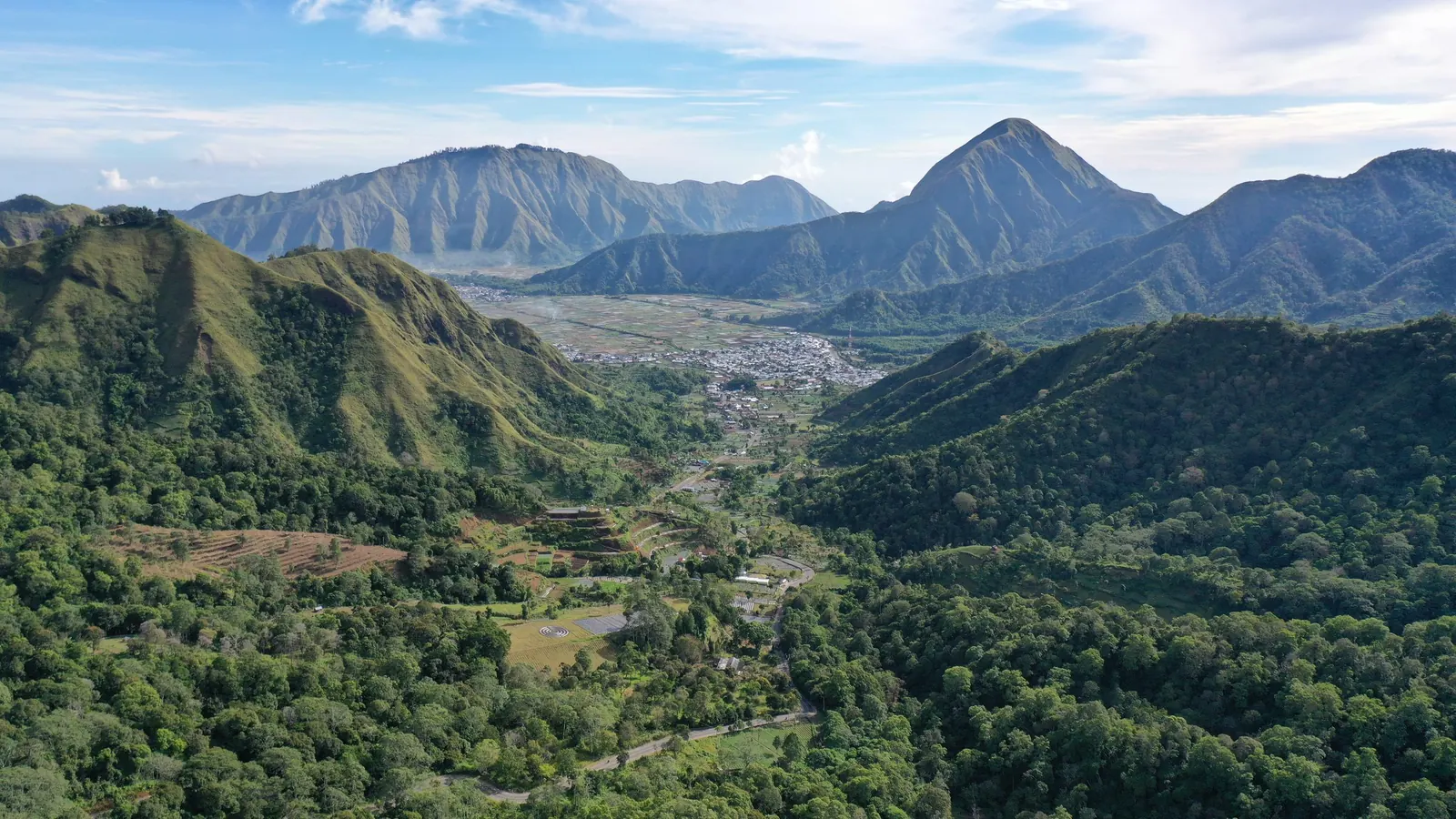
Checked every four years
UNESCO Global Geoparks are designated for four years at a time. At each revalidation, evaluators visit the geopark and assess how well it meets the criteria. A green card extends the designation for another four years; a yellow card gives two years to fix shortcomings. Rinjani-Lombok was recommended for its second consecutive green card in 2025 and received the certificate at UNESCO Headquarters in 2026.